
Time is running out. The Earth is crippling under the strain of our ever expanding population, and we each have a responsibility to act now to save our planet. Climate change is an incredibly complex topic, so I do not pretend to be able to reduce it to just 10 simple steps and one 1300 word blog post. Many families and individuals however, have the good intention to do their part, but aren’t quite sure where to start. This article therefore aims to help you get started at home. With simple tips to begin altering every day small practices, which together, could have a big impact.
1. Ban plastic bags
Each year across the globe, 500,000 billion plastic bags are used. That is 1 million per minute! And even worse? All this for just an average of 15 minutes use per bag. This has to stop, and it is completely preventable. We do not need to use plastic shopping bags.
Invest in some ethically sustainably made material bags. Reuse them over and over until they can be recycled into something else. Place some in your bag, your car, by your front door, ensuring you are never without one. If you find yourself at the supermarket without your trusty bags, think “do i need a bag at all?”. If so, opt for a recyclable or reusable option. A few extra pennies has a positive impact on our planet.
2. Drink responsibly
No this isn’t a lecture on alcohol. During the 60 seconds you have been reading this article so far, one million plastic bottles have been purchased. ONE MILLION! Each bottle required 6 times more water to produce, than the quantity poured into the bottle. Only a small percentage of these will be recycled. So choose not to be a part of that industry, save our planet by buying a water bottle which you can refill and use everyday at home and on the move.
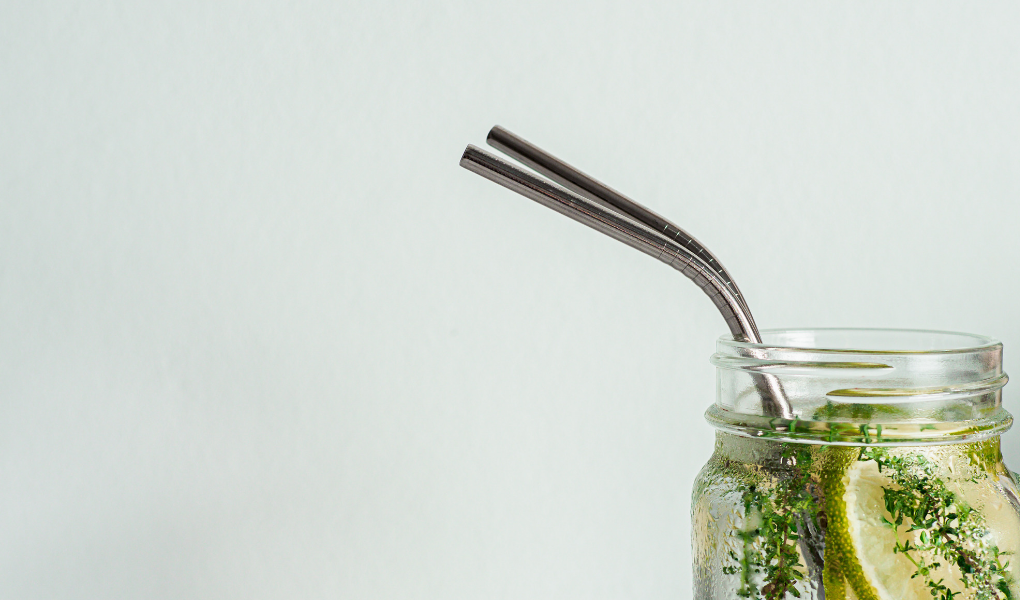
When did you last use a plastic straw? There was a time I wouldn’t drink anything on a night out if it didn’t have a straw (the shame…). Every single day, 500 million plastic straws are used. That number is greater than the population of the USA and Russia put together. Due to their small size, most plastic straws can’t be recycled and end up on our beaches and in our ocean.
What can you do to help? Buy metal straws to use at home and on the move. If you are offered a plastic straw out, refuse it. Better yet, ask the restaurant, bar, cafe why they use plastic straws and encourage them to change it.
3. Packaging free
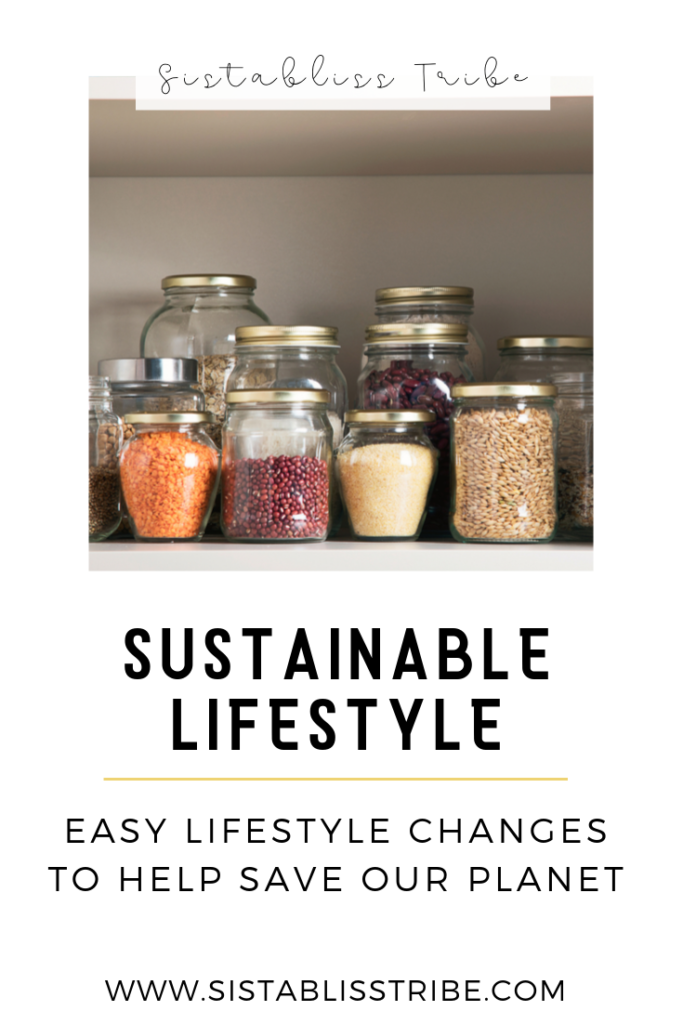
Many foods and products are packaged in non-recyclable plastic – some completely unnecessarily. I mean, why are supermarket cucumbers vacuumed into a plastic covering, yet courgettes are not? Why are peppers cheaper if bought in a plastic bag? It infuriates me! Avoid these products. Always check packaging for recycling instructions and consider the options available. Visit your local market for loose vegetables if needed, and support a local business in the process.
Find a shop which allows you to buy without the packaging by filling up your own jars and containers. Not only can you avoid buying plastic this way, but you will also waste less produce by only buying the quantity you need right now. Win win.
4. Fashion: quality over quantity
How many times have you walked out of clothing shop, having ransacked a sale rail, with a bag brimming with new clothes bought at bargain prices… only to never even remove the tags from half of them? Or for them to fall apart after just a few washes. Set yourself a challenge to stop buying cheap clothing. Rather, save those pennies to buy less but higher quality pieces, produced ethically and sustainably. Remaining intact for years to come.
Once you no longer wish to wear these quality items of clothing, take them to a charity shop or sell, recycle or gift them.
Whilst we are on gifts, 60 million unwanted presents will be purchased this Christmas. Many destined for landfill. So put thought into your gift giving this festive season, (read Gifts To Show You Care).

5. Reduce or eliminate fish from your diet
With 90% of world fish stocks fully or over-exploited from fishing, plus pressure from climate change and pollution, we’re moving into dangerous waters when it comes to the fish of the future.
Marine Conservation Society
Protecting our oceans is vital and every organism within plays an essential role. When the oceans populations of marine life are so depleted, it’s arguable that there can no longer be sustainable fishing. Plus with fishing equipment being a huge cause of plastic and dangerous debris in our seas, reducing fish intake or eliminating it from our diets is most effective.
6. Recycle (correctly!)
In 2017, 45.7% of household waste was recycled in the UK. We must do better if we are to save our planet. Different areas have different recycling guidance. Make sure to check your local council website for guidance on what you can and cannot recycle.
All items must be clean, dry and loose. That means you should wash them of all food or product, dry them and put them in a sheltered bin loose rather than in bags. Wet or dirty items cannot be recycled, and could prevent other items in your recycling bin or in the truck from being recycled. So a quick rinse and dry could have a major impact.
7. Swap fumes for feet
Before you hop into your car to pop to the corner shop, stop and consider whether you can walk, cycle or catch a bus instead. Avoid that struggle to find parking, earn some steps on your smart watch and help care for our planet!
Check with colleagues if your work commutes cross paths and consider car sharing. Meeting friends in town and have to drive? Pick them up on the way and reduce your collective carbon footprint.
8. Reduce paper use
Trees are the lungs of our planet! When buying paper, opt for that made from 100% recycled paper. Always recycle waste paper, and avoid shredding into small pieces, as this can render it non-recyclable.
Every day our world becomes more and more paperless. Before hitting print, think “do I really need a physical paper copy of this?”. If you do, print on both sides to reduce sheets used.
Does your letterbox get flooded with flyers and magazines? Add a ‘No Junk Mail’ sticker to deter unaddressed mail from finding its way onto your door mat.
9. Save energy
Switch the light off every time you leave a room. If that is unachievable with a family at home, consider investing in sensors and smart bulbs which turn off once no movement is detected. Unplug chargers and unused electrical, and avoid using high usage products like fan heaters.
Be mindful of your water usage. That cold water that disappears down the sink whilst the tap heats up – fill a watering can to feed your plants. Avoid using your washing machine or dishwasher for tiny loads or too often – this is all about planning and routine!
Bonus points: Ditch the tumble dryer, they are unnecessary and use a lot of energy.
10. Say no to palm oil
Palm oil is an extremely versatile vegetable oil, found in almost 50% of all products in supermarkets! Its production is a major cause of deforestation leading to endangerment of animal species (such as Orangutans, Pygmy Elephants and Sumatran Rhinos) and the release of greenhouse gases. Whilst destructive, it would take 4 times the amount of land to produce the same quantity of some other oils – also problematic.
If you cannot avoid products containing palm oil, ensure the product states the oil is certified as sustainable by the Roundtable of Sustainable Palm Oil (RSPO). Save our forests, our animals and our planet.

For more product, wellbeing and lifestyle tips, follow Sistabliss Tribe on Instagram, Pinterest and Twitter.


Leave a Reply